7 Nov 2026
Regional Variations in Swiss Draw Participation Through Local Retail Networks
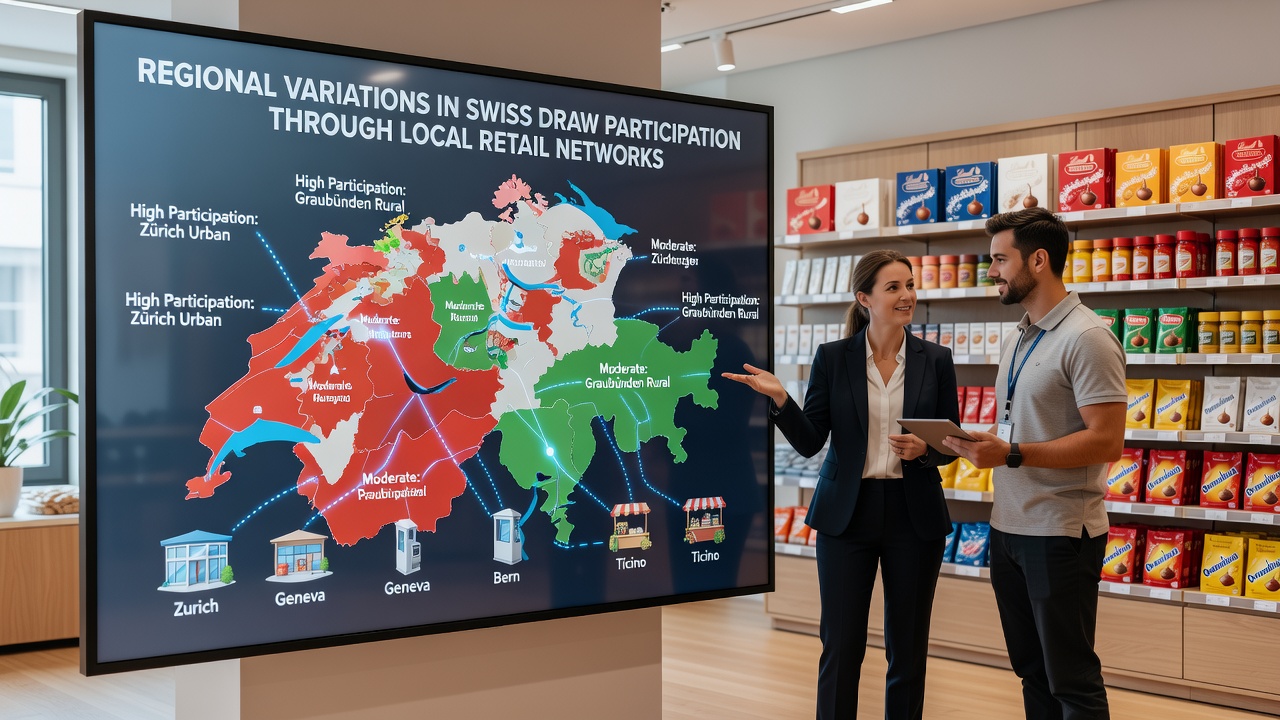
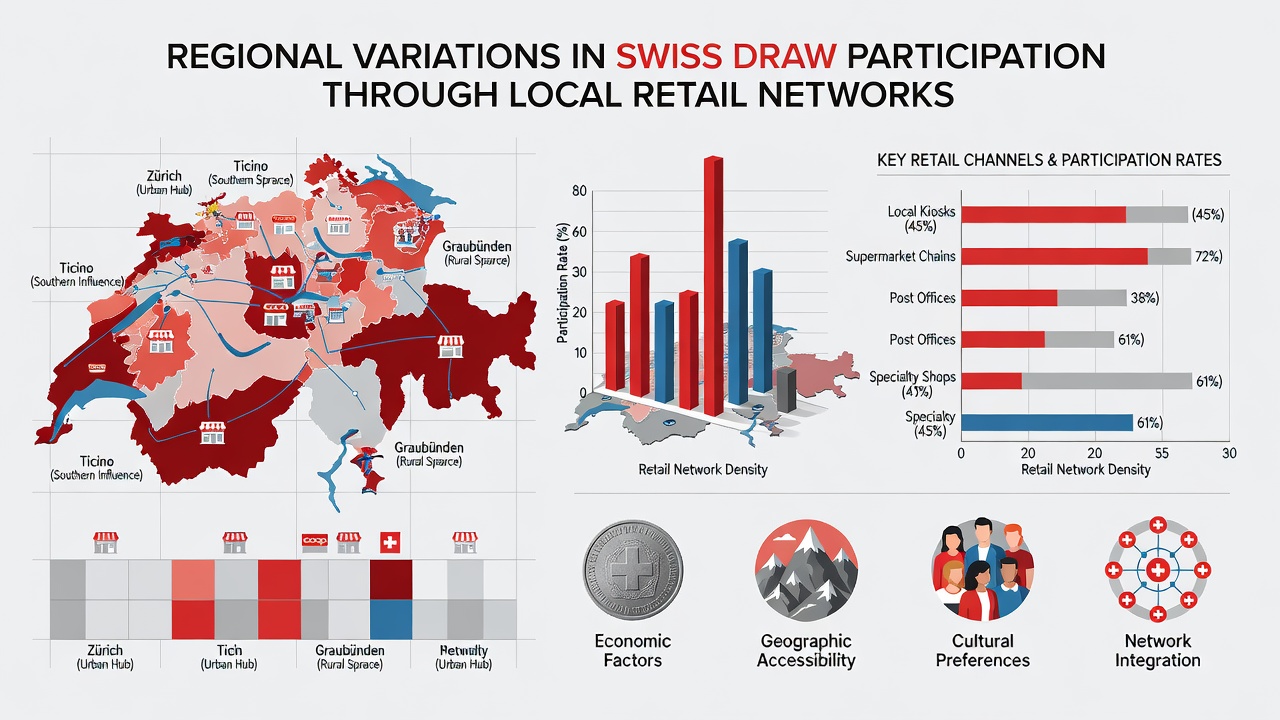
Swiss draw participation through local retail networks displays clear regional patterns that reflect differences in population density, retail infrastructure, and cultural factors across cantons. Data from official records indicate higher ticket sales volumes in urban centers like Zurich and Geneva compared to more rural areas in the Alps, where fewer outlets operate and accessibility plays a larger role in overall engagement levels.
Retail networks form the primary distribution channel for draw products in Switzerland, with kiosks, supermarkets, and specialized tobacco shops serving as main points of contact. In the German-speaking regions, participation rates through these outlets reach notable figures during standard draw cycles, while French-speaking cantons show steadier but slightly lower volumes according to aggregated sales reports. Italian-speaking areas in Ticino maintain distinct patterns tied to cross-border influences and smaller retail footprints.
Retail Density and Participation Metrics
Retail outlet concentration varies significantly by region, with urban cantons hosting multiple points per square kilometer and mountain areas relying on fewer centralized locations. Studies from Swiss statistical agencies reveal that areas with higher retail density record increased draw participation, particularly when outlets extend operating hours or integrate promotional displays. In November 2026, several cantons reported stable sales figures through these networks despite seasonal fluctuations in tourism and local events.
Population demographics influence these trends as well, since younger residents in city environments tend to purchase draws at convenience stores near transport hubs, whereas older demographics in peripheral regions favor traditional kiosks in village centers. Figures reveal consistent gaps between high-participation zones and lower ones, with retail networks adapting through targeted stocking and staff training to match local demand.
Cultural and Linguistic Influences on Draw Engagement
Linguistic regions within Switzerland shape how residents interact with draw products at retail points. German-speaking cantons often see elevated activity around major draws, supported by widespread advertising at retail chains and community awareness campaigns. French-speaking areas demonstrate more consistent year-round patterns, while Ticino outlets report variations linked to Italian media coverage and regional events that boost foot traffic.
Local customs further differentiate participation, as some rural communities integrate draw purchases into weekly shopping routines at established retailers, creating predictable sales cycles. Observers note that these habits persist across generations, maintaining steady volumes even as digital alternatives emerge elsewhere in Europe.
Economic Factors Shaping Regional Sales
Economic conditions across cantons affect draw participation through retail channels, with higher disposable income areas showing stronger sales per outlet. Data indicates that cantons with robust tourism sectors experience seasonal spikes when visitors purchase draws alongside local goods. In contrast, regions facing economic pressures maintain baseline participation levels through loyal local customers who rely on familiar retail networks.
Supply chain logistics play a supporting role, since efficient distribution to remote outlets ensures product availability and prevents stock shortages that could suppress sales. Reports from industry groups highlight how coordinated delivery schedules help equalize access across diverse geographic zones, though challenges remain in alpine locations during winter months.
Regulatory Framework and Data Collection
Swiss regulations govern retail operations for draws, requiring licensed outlets to follow standardized procedures that ensure uniform product availability nationwide. Government agencies collect participation data broken down by region and retail type, allowing for detailed analysis of trends over time. According to information from the Swiss Federal Statistical Office, these records show persistent regional differences that align with broader demographic distributions.
Industry organizations such as the European Lotteries Association compile comparative reports that place Swiss patterns alongside those in neighboring countries, providing context for how local retail networks perform relative to other markets. Academic research from institutions like the University of Lausanne has examined correlations between retail proximity and draw engagement, confirming that physical access remains a key driver in many cantons.
Conclusion
Regional variations in Swiss draw participation through local retail networks stem from interconnected factors including retail density, linguistic and cultural differences, economic conditions, and regulatory structures. Available data document these patterns across cantons, with urban and rural divides appearing consistently in sales records. Continued monitoring by statistical bodies and research institutions supports understanding of how these networks evolve while maintaining their central role in draw distribution.